You know that feeling: a fresh manicure is the best, but then bam—you get that throbbing, awful ingrown nail pain. We treat our nails like they’re just pretty accessories, but seriously, they’re not! They’re actually little shields for your body, and we need to treat them that way.
Let’s face it—fungal and bacterial infections are super common. Yikes! The bottom line is that nail care isn’t just about looking fly; it’s totally about staying healthy. If you slack on Nail Hygiene, you’re opening the door to some nasty, persistent and seriously painful infections. We’re talking preventative health here, so let’s get serious about safety!
Your Daily Defense Team: Basic Nail Hygiene care
The simplest steps are your strongest defense. You don’t need fancy tools, just consistent habits.
A. Trimming Like a Pro
Fingernails: Keep ’em straight across, then just smooth the corners a bit with a file. Definitely don’t dig into the sides!
Toenails: This is key! Always, always cut straight across. If you curve them, you’re asking for a nasty ingrown nail, and that’s a major bacteria magnet waiting to happen.
Filing: And when you file, go one way—not back and forth like a saw! That back-and-forth motion just weakens them and causes splits. Let’s keep them strong.
B. Keeping Things Clean
It’s super important to scrub under your nails—it’s the absolute best hiding spot for dirt and germs. Also, remember that fungus loves moisture, so after you wash up or go swimming, take a moment to dry your nails thoroughly.
C. Tool Management: Don’t Share!
You must clean and disinfect your clippers, files and pushers before every single use. A little rubbing alcohol works great for a quick clean! But listen up: never, ever share your nail tools. It’s just not worth the risk of swapping germs. Think of them as your personal toothbrush.
Uh Oh: When Hygiene Goes South (Infection Alert!)
If you let your guard down, you might run into one of these unwelcome guests.
A. Fungus Fun (Not!)
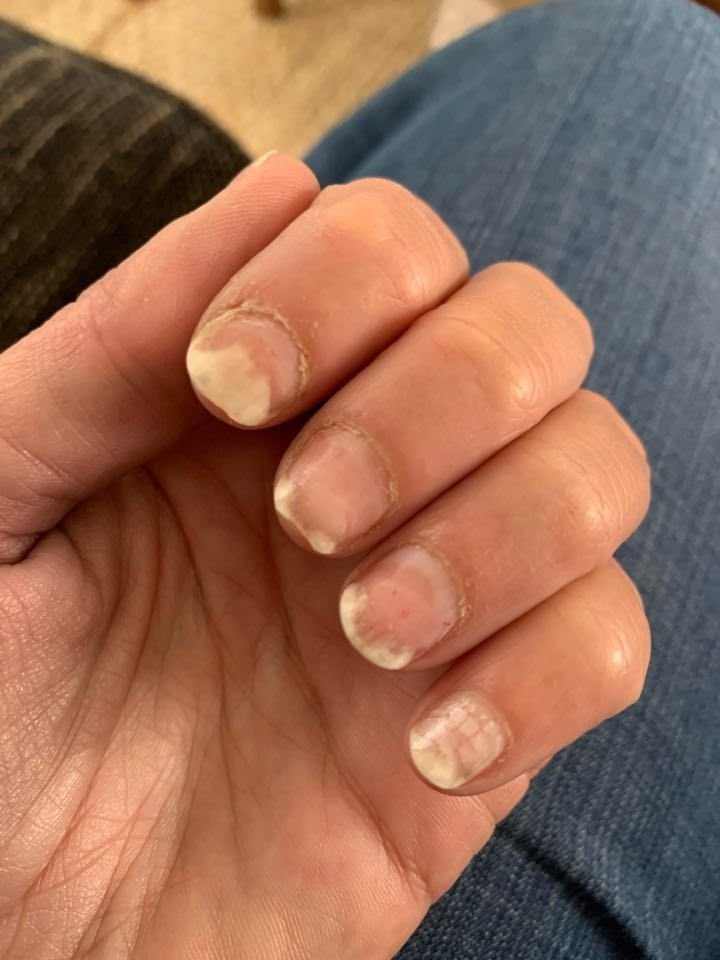
This is the most common infection, causing thick, yellow, brittle nails. Gross! You’re at risk if you use dirty tools, walk around in sweaty shoes (moisture!) or get tiny nicks around your nail bed.
Consequences: These guys are tough to beat! You might need to go on oral medication from a doctor, and what’s worse, they love to jump from one nail to another, or even spread to your skin (yep, that’s how you get Athlete’s Foot!).
B. Nasty Bacteria Attacks
When bacteria get past your defenses, things swell up fast.
Paronychia (Around the Cuticle): When you cut your cuticles too hard, bite your nails, or get a small injury, bacteria (like common Staph) just waltz right in. The symptoms? Redness, swelling, throbbing pain, and sometimes a little pocket of pus. Ouch!
Serious Complications: Yikes! If you ignore that swelling, it can get really bad, leading to deep skin infections. Don’t mess around; see a doctor if it’s severe.
C. Other Weird Problems
You can also deal with Warts (if tools aren’t clean) or Green Nail Syndrome, which is caused by bacteria having a party in the damp gap between your nail and the nail bed (often under a lifting acrylic).
Salon Secrets and Red Flags
This is where you need to be an informed customer.
A. Leave the Cuticles Alone!
Warning: Your cuticles should never be aggressively cut—they should only be gently pushed back. That little piece of skin is your nail’s natural security guard—it’s the seal. If you break or cut it, you’ve basically installed a welcome mat for every germ and infection out there.
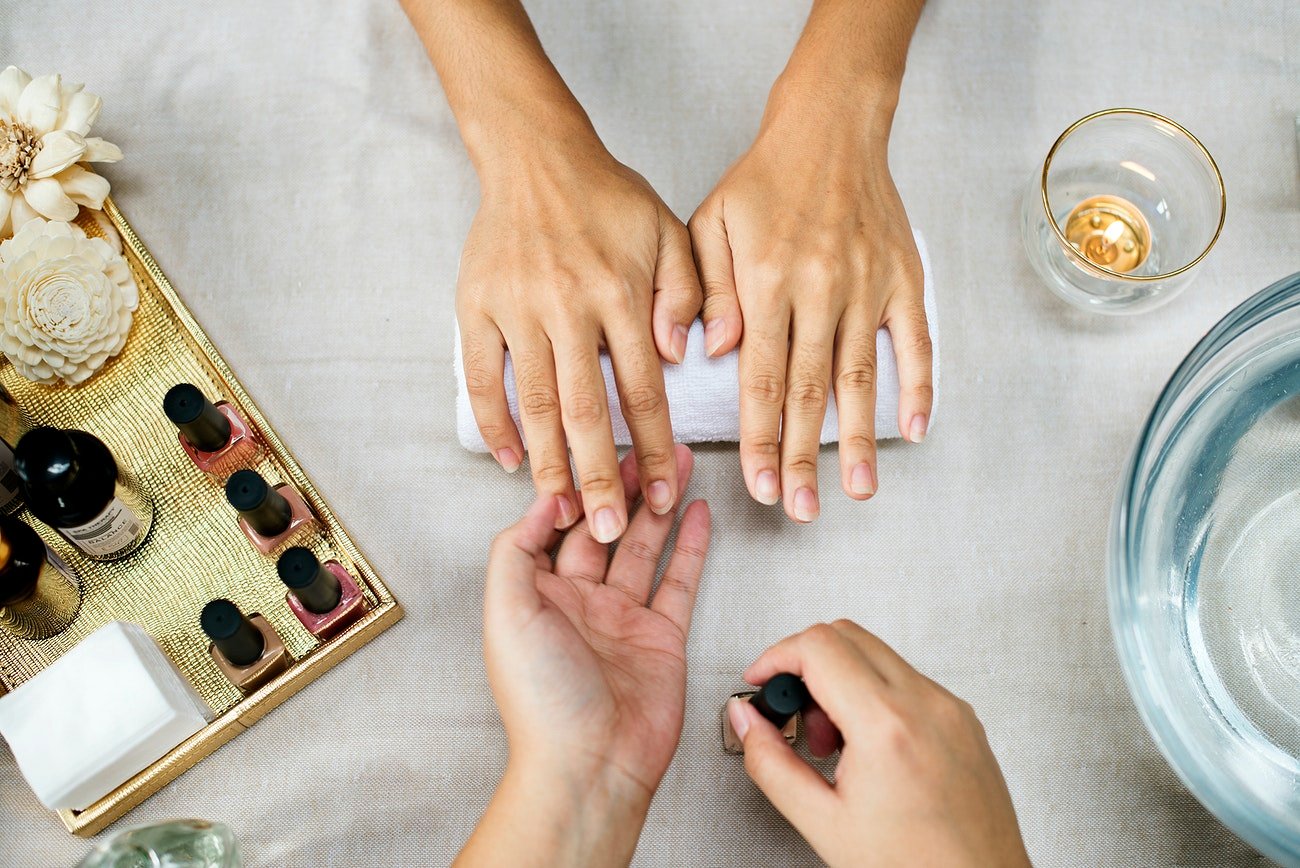
B. The Miss Nail Standard: What a Safe Salon Does Differently
So, what should you actually be looking for? If your salon isn’t doing the following, it’s a serious Red Flag! This is the safety standard you deserve.
The REAL Sterilization: Good salons use an autoclave (a machine that uses steam and pressure to kill everything). It’s the only way to guarantee metal tools are totally sterile. They should be handed to you in a sealed, sanitary bag!
Disposable Items: Files, buffers and wooden sticks should be brand new for your appointment, then immediately tossed afterward. No exceptions!
Safer Pedicures: Look for basins that don’t have jets or ask if they use disposable liners. That gets rid of gross pipe buildup where bacteria love to hang out.
Protective Barriers: Technicians should wear fresh gloves for every service. It’s just smart practice!
Wrapping Up (Get Healthy Nails Now!)
Seriously, treating your nails right means avoiding big headaches, big pain and chronic health issues. It’s totally worth the small effort!
Grab that rubbing alcohol and disinfect your tools today. Stop waiting for trouble to start. Let’s make healthy nails our new priority, okay?
Why is Nail Hygiene so important?
Nail Hygiene isn’t just about having pretty hands—it’s about protecting your health. Clean, well-maintained nails prevent the buildup of bacteria, fungi, and dirt that can lead to painful infections like fungal nail infections or paronychia. Good hygiene also helps keep your nails strong and less likely to split or break.
How often should I trim my nails?
For proper Nail Hygiene, trim your fingernails every week and toenails every two weeks. Always cut them straight across to prevent ingrown nails. After trimming, gently file the edges in one direction to keep them smooth and strong.
What’s the right way to clean under my nails?
The area under your nails is a hotspot for germs! Use a soft brush or nail cleaning tool with mild soap and warm water. Always dry your nails thoroughly afterward—moisture encourages fungal growth, which can ruin your nail health.
Can sharing nail tools cause infections?
Absolutely! Sharing nail clippers, files, or pushers can transfer bacteria and fungi between people. For safe Nail Hygiene, use your own sanitized tools and disinfect them before and after every use with rubbing alcohol.
Can poor Nail Hygiene cause serious health problems?
Yes. Poor Nail Hygiene can lead to chronic infections, painful swelling, and even deeper skin infections if ignored. These can spread and impact overall health—especially in people with weakened immune systems or diabetes.